
Maktab class in the age of rapid digitalisation – opportunities and challenges
DOI:
https://doi.org/10.26340/muallim.v26i102.2158Keywords:
digitalisation in teaching the maktab class, interactive content in makatab, contemporary tools in teaching the maktab classAbstract
UDK
28:37.014.521:371.3]:004.738
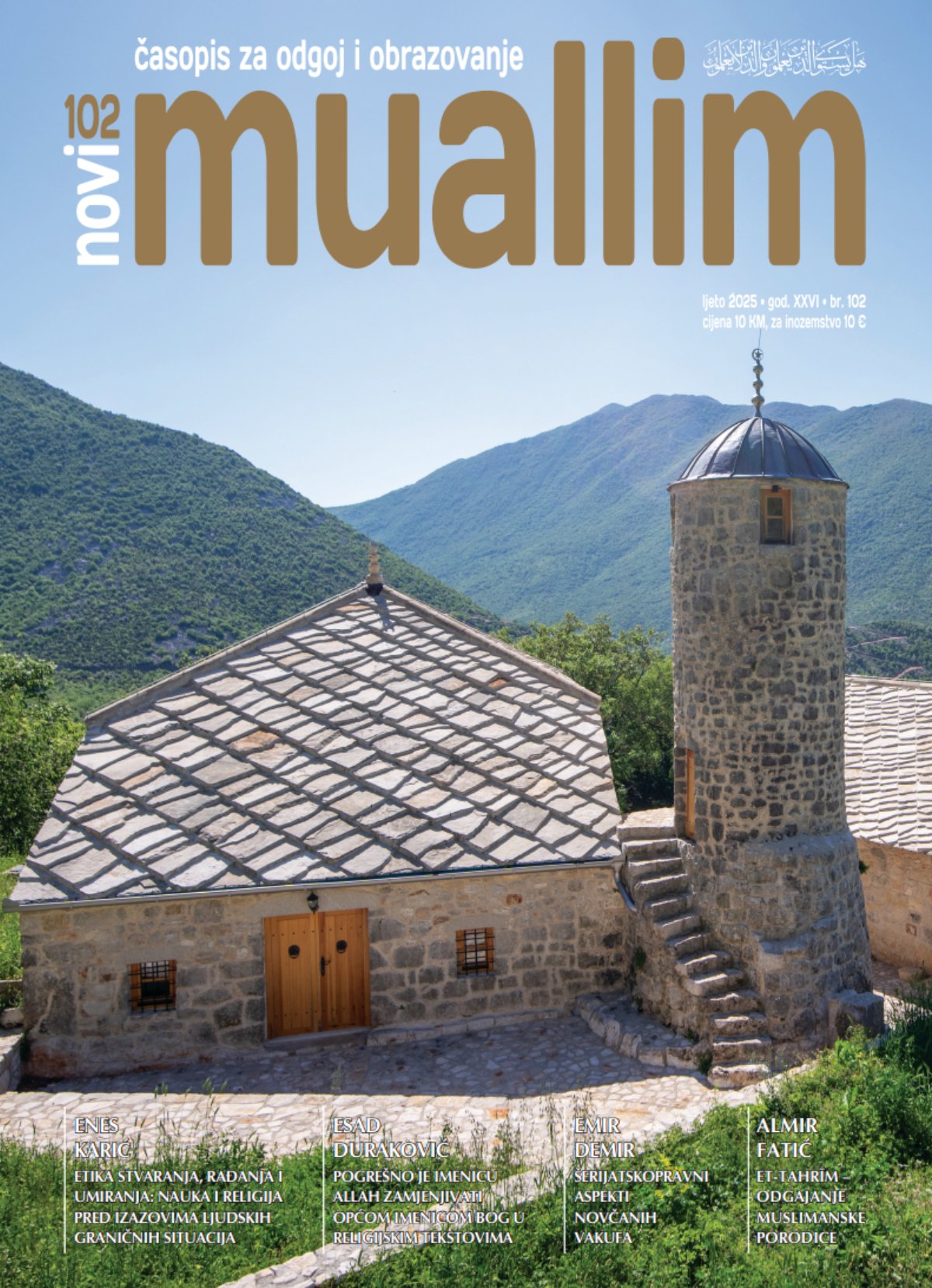
This article explores the opportunities and the challenges of digitalisation in the Maktab class. Digitalisation in the form of smart blackboards, interactive content, educational apps and platforms offers a chance to improve the quality of the class, making it enjoyable and more suitable for modern generations. Technological tools not only help students acquire learning contents in religious studies, but they also provide muallims with easier and simpler administration methods through digital registers and databases. However, digitalisation also represents challenges. Issues like a digital gap, requiring additional education of muallims, safety risks and preserving the role of muallim as the key role in the upbringing of children, all require a well-planned strategic approach. This article suggests that the diffusion theory of innovations could serve as a framework for gradually introducing technology in Islamic educational institutions, thus providing a balance between innovation and traditional learning methods. Only a carefully planned digitalisation process can help improve the academic programs of the maktab class while still preserving the fundamental Islamic values and identity.
Downloads
Published
How to Cite
Issue
Section
License

This work is licensed under a Creative Commons Attribution 4.0 International License.
Naknada:
a. Časopis ne naplaćuje naknadu za obradu članaka (APC) i naknadu za podnošenje članaka.
Autori koji objavljuju u ovom časopisu pristaju na sljedeće uvijete:
- Autori zadržavaju autorska prava i pružaju časopisu pravo prvog objavljivanja, pri čemu će rad jednu godinu po objavljivanju biti podložan licenci Creative Commons imenovanje koja omogućuje drugima da dijele rad uz uvijet navođenja autorstva i izvornog objavljivanja u ovom časopisu.
- Autori mogu izraditi zasebne, ugovorne aranžmane za ne-ekskluzivnu distribuciju rada objavljenog u časopisu (npr. postavljanje u institucionalni repozitorij ili objavljivanje u knjizi), uz navođenje da je rad izvorno objavljen u ovom časopisu.