
Džamija – simbol muslimanskog identiteta
DOI:
https://doi.org/10.26340/muallim.v26i102.2171Ključne riječi:
Muamer Zukorlić, arhitektura, identitet, Sandžak, Arap-džamija, Altun-alem džamija, Sultan Valide džamijaSažetak
UDK
726.2(=163.43)(497.11 Sandžak)
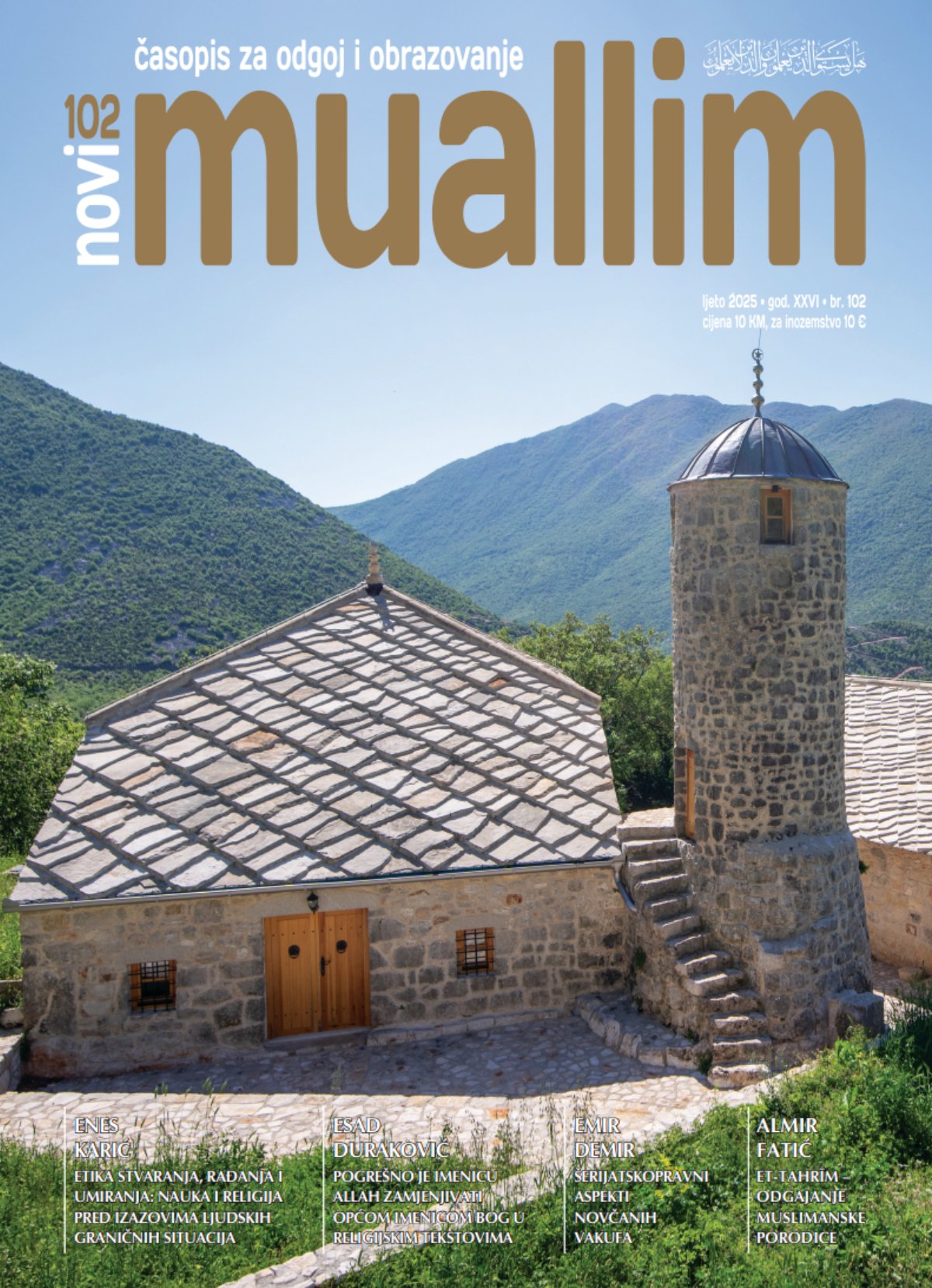
U ovom radu autorica tematizira džamiju kao višeslojni arhitektonski fenomen koji integrira komunikacijske, simboličke i funkcionalne aspekte s posebnim fokusom na islamsku arhitektonsku baštinu Sandžaka. Od ranih formi, u periodu Poslanika do savremenih izraza, džamija ostaje ključna tačka očuvanja duhovnog, kulturnog i identitetskog kontinuiteta muslimana. Rad posebno akcentira tri značajne džamije Sandžaka: Arap-džamiju, Altun-alem džamiju i Sultan Valide džamiju u Sjenici. Među njima, Altun-alem džamija u Novom Pazaru zauzima posebno mjesto, ne samo zbog izuzetne osmanske arhitekture i kulturno-historijske vrijednosti, već i zbog toga što je u njenom haremu ukopan sandžački muftija rahmetli Muamer-ef. Zukorlić, što dodatno pojačava njen simbolički značaj među Bošnjacima muslimanima u Sandžaku, dijaspori i širem regionu. Time ova džamija postaje i mjesto kolektivnog pamćenja i identitetske potvrde.
Downloads
Objavljeno
How to Cite
Broj časopisa
Rubrika
License

This work is licensed under a Creative Commons Attribution 4.0 International License.
Naknada:
a. Časopis ne naplaćuje naknadu za obradu članaka (APC) i naknadu za podnošenje članaka.
Autori koji objavljuju u ovom časopisu pristaju na sljedeće uvijete:
- Autori zadržavaju autorska prava i pružaju časopisu pravo prvog objavljivanja, pri čemu će rad jednu godinu po objavljivanju biti podložan licenci Creative Commons imenovanje koja omogućuje drugima da dijele rad uz uvijet navođenja autorstva i izvornog objavljivanja u ovom časopisu.
- Autori mogu izraditi zasebne, ugovorne aranžmane za ne-ekskluzivnu distribuciju rada objavljenog u časopisu (npr. postavljanje u institucionalni repozitorij ili objavljivanje u knjizi), uz navođenje da je rad izvorno objavljen u ovom časopisu.